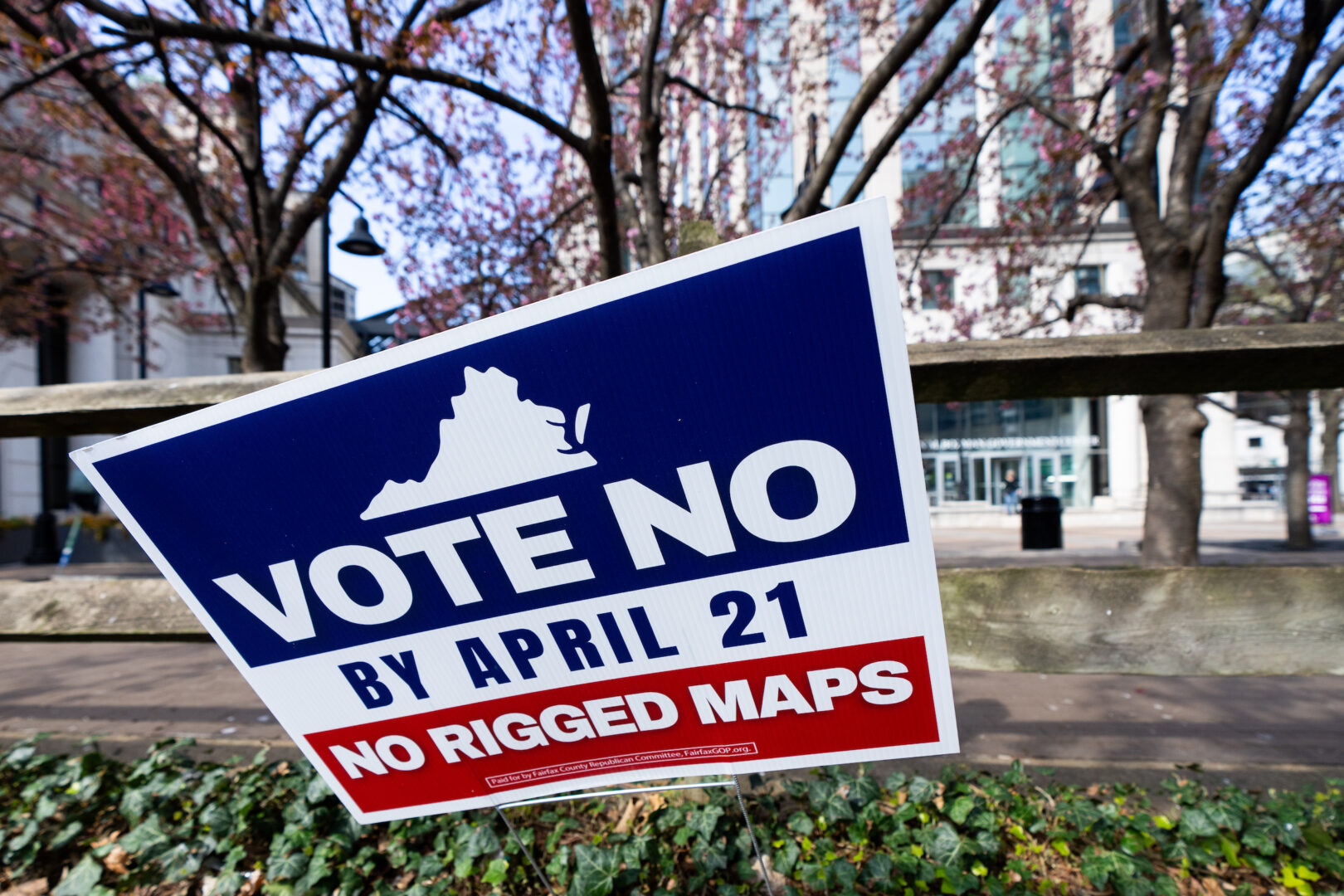
Virginia's Supreme Court struck down a newly redrawn congressional map on Friday, blocking a voter-approved redistricting plan that would have threatened multiple Republican-held House seats. The state's high court ruled that the legislative process used to place the measure on the ballot violated Virginia's Constitution, rendering the referendum fundamentally flawed.
Justice D. Arthur Kelsey wrote the majority opinion, concluding that the procedural violations in advancing the ballot measure were severe enough to taint the entire outcome. The decision blocks implementation of lines that Democrats had crafted through the redistricting commission process and that voters endorsed in the November election.
The invalidated map represented a major win for Democratic mapmakers. It targeted several GOP-controlled districts, reshaping Virginia's 11-seat congressional delegation in ways favorable to Democrats. The ballot measure reflected growing frustration with partisan gerrymandering and Virginia's creation of a new independent redistricting commission in 2020.
Republicans challenged the process, arguing that the legislature improperly advanced the measure without following correct procedures. The court agreed with that argument, finding the constitutional violation so severe that no remedy short of invalidation could address it.
The decision creates uncertainty over Virginia's congressional lines heading into the 2024 election cycle. The state will likely face pressure to resolve the redistricting dispute before candidates finalize their filing decisions. Republicans benefit from the ruling, as they retain the advantage of maps that were in place before voters rejected them.
This case underscores ongoing partisan battles over redistricting in battleground states. Virginia voters explicitly supported the new map, yet the state's highest court overturned that will based on technical violations in the legislative process. The ruling demonstrates how procedural objections can override popular votes on redistricting and how courts remain powerful actors in shaping electoral maps despite efforts to depoliticize the process.