The Trump administration Justice Department is prosecuting federal officials who evade Freedom of Information Act requests, marking a dramatic shift in how the government enforces transparency law. The DOJ has begun treating FOIA evasion as a criminal matter, pursuing cases against officials who fail to comply with records requests.
The policy represents a notable reversal. The Trump administration has itself faced persistent criticism for blocking FOIA requests and limiting document releases. Critics view the move as selective enforcement that targets political opponents while the administration operates with reduced transparency.
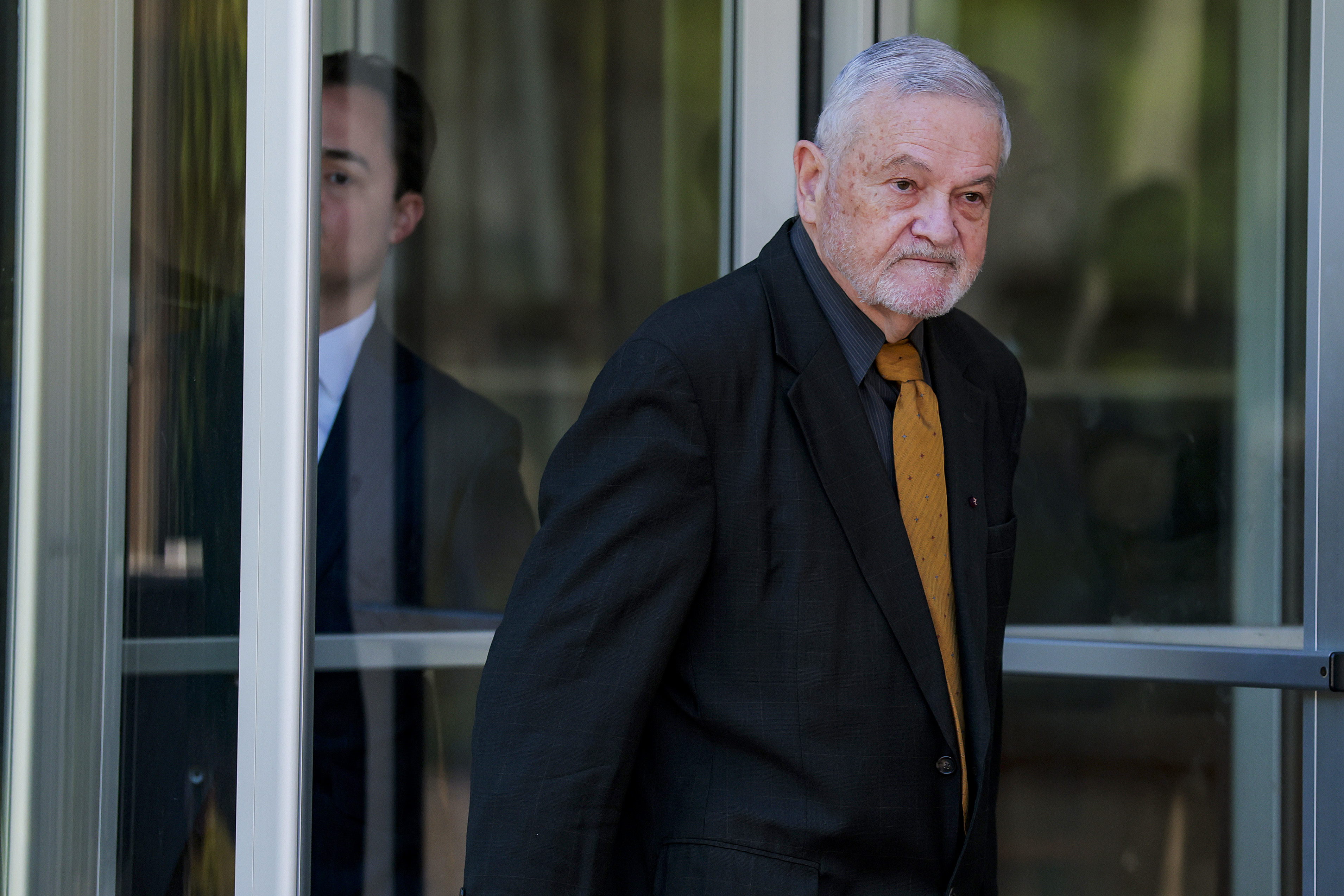
David Morens, a federal scientist, faces potential arrest and strip search over the handling of records requests, according to The Intercept. His case exemplifies the administration's aggressive prosecution stance on FOIA violations, shifting from standard civil remedies to criminal penalties.
The hypocrisy argument centers on the Trump administration's own record. The White House and its agencies have delayed, redacted, and refused thousands of FOIA requests since taking office. Administration officials have restricted access to visitor logs, visitor records, and communications. Yet now the DOJ prosecutes career government employees for similar conduct.
Legal experts question the inconsistency. FOIA enforcement traditionally relied on civil litigation and administrative remedies. Converting violations to criminal cases with potential incarceration represents escalation. The selective application troubles government transparency advocates who note that political appointees rarely face consequences while career staff bear prosecution risk.
The timing suggests tactical advantage. Criminal prosecutions against federal employees can suppress internal dissent and discourage whistleblowing. Officials facing potential arrest become reluctant to disclose information, even through proper FOIA channels. This chilling effect works against the statute's purpose of government accountability.
The case signals that the Trump administration views records requests as potential weapons against perceived enemies within the bureaucracy. By criminalizing FOIA resistance for some officials while ignoring violations by others, the DOJ weaponizes transparency