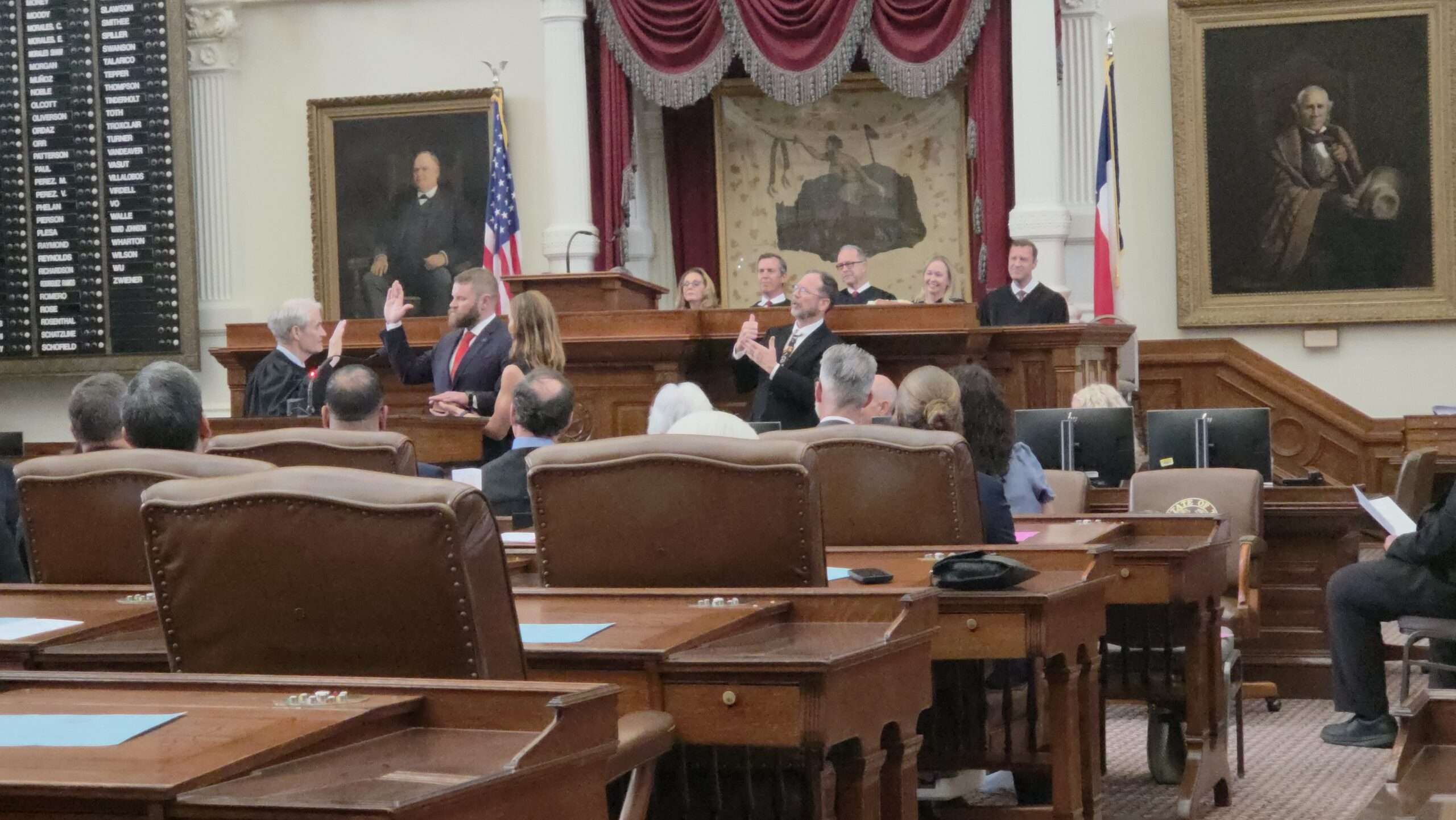
Texas and the federal judiciary welcomed three new judges to the bench this week. The Texas Supreme Court seated Justices Sullivan and Hawkins, while Judge Taibleson joined the Seventh Circuit Court of Appeals.
The timing of three investitures within two days reflects ongoing judicial appointments that reshape the courts' ideological composition. These appointments fill vacancies and signal how recent administrations have prioritized judicial staffing.
The Texas Supreme Court, currently dominated by Republican appointees, gains two new members with Sullivan and Hawkins. The state's highest civil court has faced intense scrutiny over its rulings on tort reform, business liability, and regulatory matters. These new justices will influence how Texas approaches litigation and appeals for years ahead.
Judge Taibleson's appointment to the Seventh Circuit, which covers Illinois, Indiana, and Wisconsin, carries weight in federal appellate decisions on constitutional questions and federal law. The Seventh Circuit handles cases affecting millions of people across the Midwest and has become a key battleground for judicial philosophy.
These appointments continue a pattern of judges taking the bench relatively quickly after confirmation. Senate Republicans accelerated judicial confirmations in recent years, while Democrats have pushed to fill vacancies as circumstances allow. The composition of federal and state benches directly affects how courts rule on everything from election law to healthcare to criminal justice.
THE TAKEAWAY: Judicial appointments at the state and federal level shape American law for decades, with these three new judges poised to influence major policy questions in their respective courts.