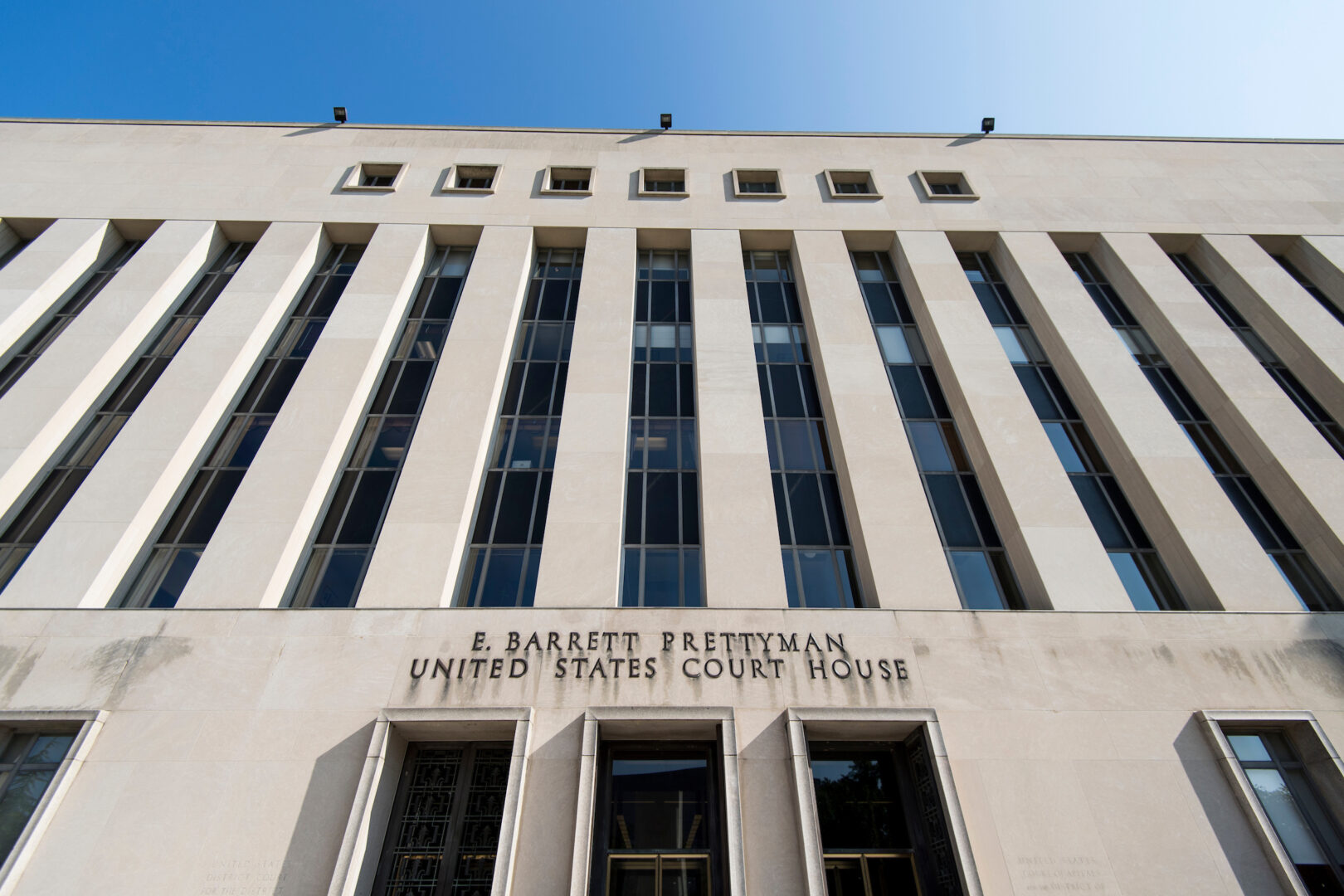
A federal appeals court has blocked the Department of Homeland Security's requirement that members of Congress provide seven days' notice before visiting immigration detention facilities. The three-judge panel ruled Friday that DHS failed to demonstrate the congressional visits posed genuine operational concerns beyond administrative inconvenience.
The decision protects the congressional oversight authority enshrined in the "Ramsey Doctrine," which grants lawmakers access to federal facilities without extensive advance notice. DHS had imposed the seven-day requirement as a security and operational measure, arguing advance notification allowed detention centers time to prepare for visits.
The court rejected that rationale. One judge noted the department could not show visits by federal legislators created anything more than routine logistical challenges. The ruling preserves legislators' ability to conduct surprise inspections and unannounced fact-finding missions at facilities holding immigrants awaiting processing or deportation.
This case reflects ongoing tension between executive branch security protocols and congressional oversight powers. Immigration detention has become a focal point for congressional scrutiny, particularly regarding conditions inside facilities and treatment of detainees. Members from both parties have used facility visits to investigate alleged abuse, inadequate medical care, and overcrowding.
DHS may appeal the decision to the Supreme Court, but the lower court's position suggests the government's burden for limiting congressional access remains high. Courts consistently view legislative oversight as a core constitutional function that cannot be substantially restricted.
The ruling affects Congress's ability to monitor detention practices without DHS obstruction or delay. Lawmakers can now arrive at facilities with minimal warning, enabling them to observe normal operations rather than specially prepared conditions.
THE BOTTOM LINE: Courts protect congressional oversight of immigration detention by rejecting DHS notice requirements that hampered unannounced legislative inspections.