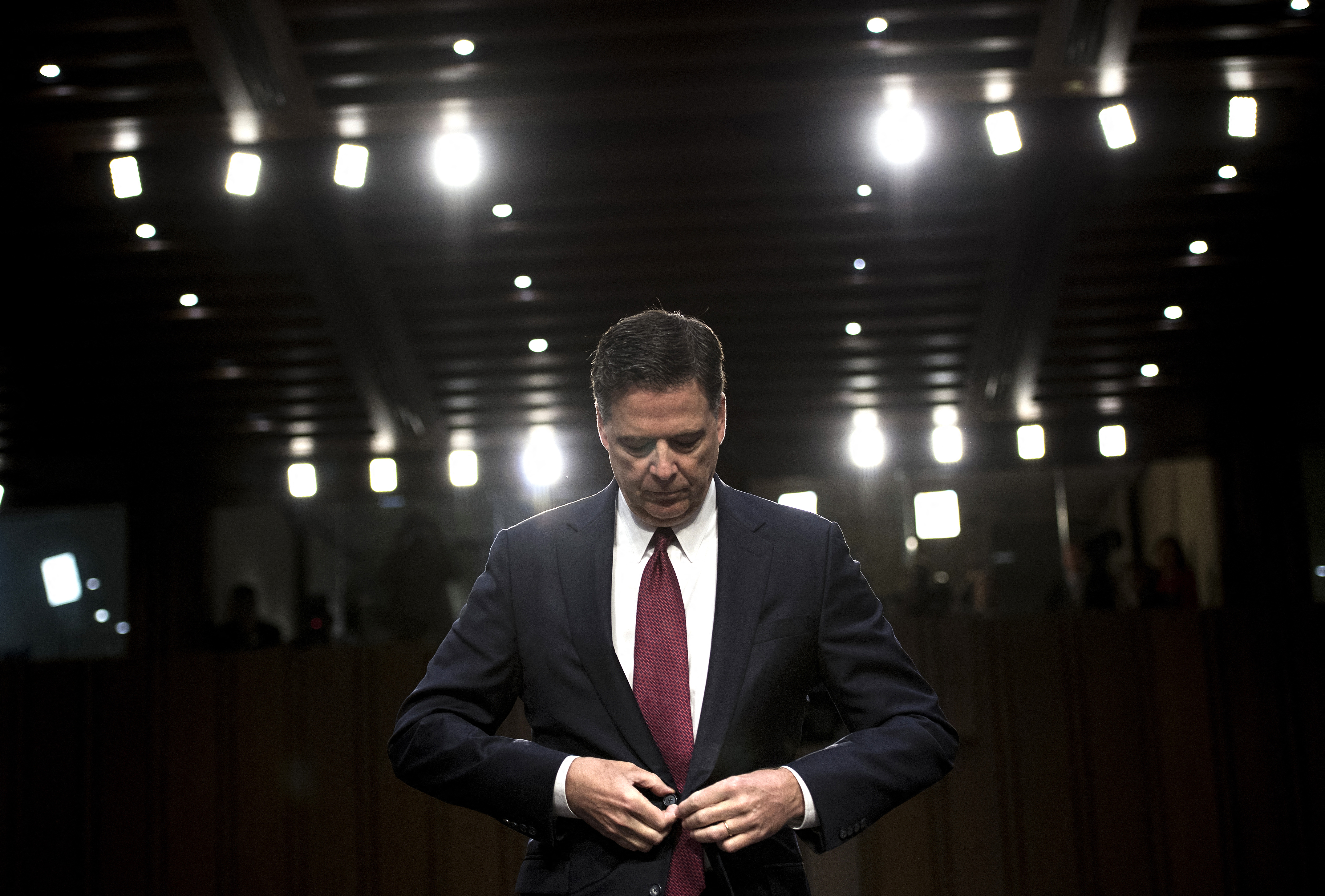
# Never Apologize: Comey and Mamdani Highlight Political Strategy Shift
The Intercept examines a troubling trend in modern politics where public figures increasingly refuse to apologize for controversial statements or actions. The piece focuses on two cases: former FBI Director James Comey and New York State Assemblymember Zohran Mamdani, both of whom doubled down on positions rather than acknowledging mistakes.
Comey, who faced bipartisan criticism for his handling of the Hillary Clinton email investigation and his subsequent firing by President Trump, has continued defending his decisions without meaningful concessions. Instead of acknowledging legitimate concerns about his role in the 2016 election, Comey stands firm on his actions. Similarly, Mamdani, a progressive Democrat representing Queens, refused to back away from controversial statements despite constituent backlash.
This pattern reflects a broader political calculation. Traditional notions of accountability and contrition have given way to a strategy where admitting error signals weakness to partisan bases. Politicians and officials now recognize that their core supporters reward steadfastness regardless of merit, while opponents remain unmoved by apologies anyway. The middle ground that once valued good-faith acknowledgment of mistakes has collapsed.
The dynamic carries governance implications. When leaders normalize the refusal to apologize, institutional accountability mechanisms weaken. Citizens lose confidence that power-holders will correct course when proven wrong. Voters struggle to distinguish between principled conviction and stubborn defensiveness.
Comey's career exemplifies this shift. His memoir tour positioned him as a victim of partisan attacks rather than someone whose judgment warranted examination. Mamdani adopted similar tactics when challenged on statements his district found objectionable.
This trend accelerates polarization. Without apologies, disagreements become zero-sum confrontations rather than opportunities for course correction. The lost art of doubling down without acknowledging error represents a