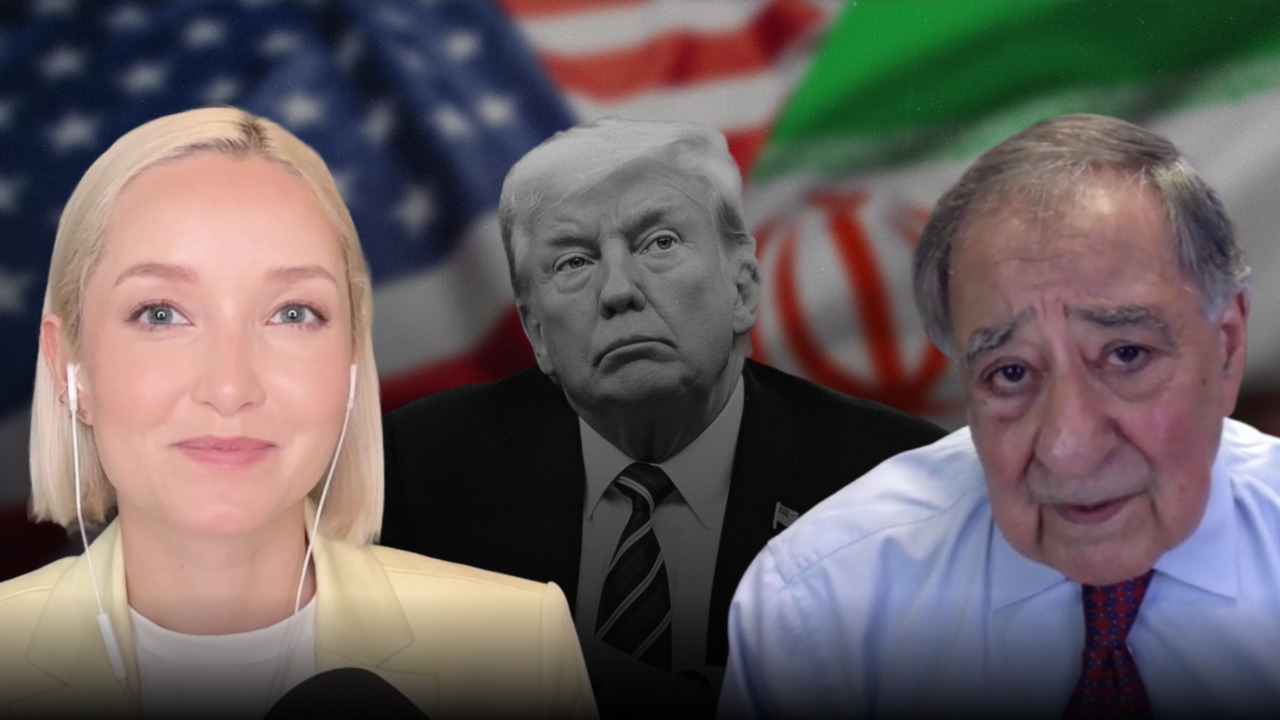
# Leon Panetta on Iran, Ukraine and the new global power struggle
Former Defense Secretary Leon Panetta warned that the United States faces a multipolar world where traditional power dynamics have shifted dangerously. Speaking on contemporary geopolitical challenges, Panetta addressed three interconnected threats reshaping global stability.
On Iran, Panetta emphasized the nuclear dimension remains unresolved despite diplomatic efforts. The former Pentagon chief stressed that Iran's regional ambitions extend far beyond its borders, destabilizing the Middle East through proxy networks and weapons transfers to groups like Hezbollah and Hamas. He argued the U.S. must maintain credible deterrence while keeping diplomatic channels open.
Ukraine represents a breaking point in the post-Cold War order, Panetta argued. Russia's invasion shattered assumptions about European security and prompted NATO expansion. Panetta called sustained American military and economic support essential to preventing Russian conquest and deterring future aggression against NATO allies. He warned that abandoning Ukraine invites Beijing to move against Taiwan.
The broader struggle centers on China's rise as a peer competitor. Panetta noted Beijing's growing military capabilities, technological advances, and economic leverage create a three-front challenge alongside Russia and Iran. He advocated for strengthening alliances, maintaining military superiority in the Indo-Pacific, and competing economically without decoupling entirely from Chinese markets.
Panetta rejected isolationism as a viable response. He contended that American disengagement hands adversaries regional dominance and encourages client states to develop nuclear weapons. The former CIA director called for sustained defense spending, technological investment, and diplomatic engagement balanced with resolve.
His analysis reflects establishment views within the Biden administration and defense establishment. Panetta's framing treats geopolitical competition as requiring long-term commitment rather than transactional deals, a position that contrasts with Republican calls for reduced foreign aid and military commitments abroad.