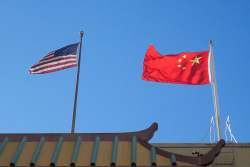
China is moving to reduce American influence over global energy markets as oil shortages intensify competition between the world's two largest economies. The country is pursuing strategies to secure stable energy supplies independent of U.S. control, reshaping how Beijing approaches its oil and gas procurement.
The shortage stems from supply disruptions across multiple regions, forcing major consumers like China to compete aggressively for available reserves. Rather than rely on traditional Western-controlled markets or dollar-denominated transactions, China is negotiating direct deals with producers in Russia, Iran, and the Middle East. These bilateral arrangements bypass American financial infrastructure and reduce exposure to U.S. sanctions or trade restrictions.
China's approach includes expanding its strategic petroleum reserve, securing long-term contracts with energy producers, and investing in alternative energy infrastructure. The country also accelerates its pivot toward renewables and nuclear power, reducing long-term dependence on oil imports vulnerable to American pressure.
The energy competition carries geopolitical weight beyond commodity markets. Control over global energy supplies translates into diplomatic leverage. The Biden administration has worked to maintain American influence over oil production decisions and pricing through alliances with Saudi Arabia and other OPEC members. China's efforts to circumvent this system challenge U.S. influence in the Middle East and weaken Washington's ability to weaponize energy supplies during conflicts or trade disputes.
Oil markets are responding to these dynamics by adjusting supply allocations and pricing mechanisms. Producers face pressure from both superpowers, complicating decisions about which customers to prioritize and how to structure contracts.
The shifting energy landscape reflects broader U.S.-China competition over economic dominance and geopolitical influence. Energy security underpins industrial capacity, military capabilities, and economic stability. By limiting American leverage over its energy sources, China positions itself to operate with greater strategic autonomy while reducing vulnerabilities to Western economic coercion.
THE TAKEAWAY: China's energy independence