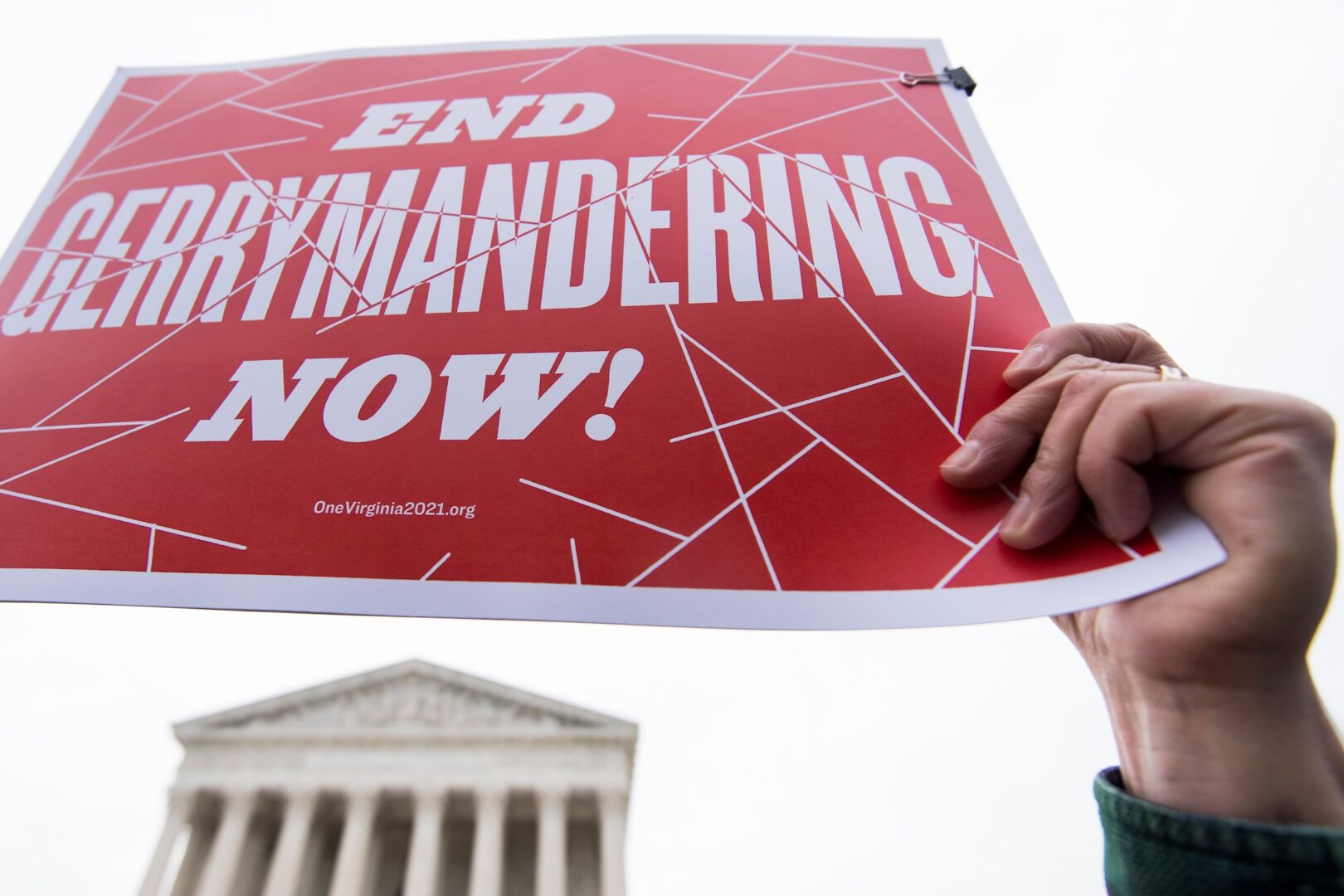
Republicans and Democrats remain deadlocked over redistricting reform, with both parties accusing each other of gerrymandering while rejecting shared solutions. The redistricting process, traditionally a once-a-decade redrawing of congressional districts after the census, has evolved into a continuous political battleground as states employ increasingly aggressive partisan tactics.
The core dispute centers on who controls district lines. Democrats argue Republicans pack voters into favored districts to dilute Democratic power in surrounding areas. Republicans counter that Democratic-controlled states employ identical tactics. Both parties express frustration with the current system yet offer contradictory remedies that protect their own interests.
Several states have attempted independent redistricting commissions to remove partisan influence, but these efforts face legal challenges and partisan obstruction. California and Michigan implemented commission-based systems with mixed results. Other states resist reform entirely, viewing redistricting as a legitimate tool of electoral strategy.
The stakes are enormous. Control of the House of Representatives often hinges on redistricting outcomes. A swing of just a few seats can determine majority control. For individual politicians, redistricting determines whether they face competitive races or safe districts. This reality makes compromise extremely difficult.
Bipartisan reform proposals exist but gain little traction. Some advocate for mathematical algorithms to draw neutral districts. Others push for independent commissions with rotating partisan representation. Congressional Democrats have introduced legislation requiring independent commissions nationally, but Republicans block it, believing current arrangements favor their party in many states.
The 2020 redistricting proved particularly contentious, with litigation continuing through 2023. Experts predict the 2030 cycle will repeat this pattern. Without legislative action at the state or federal level, redistricting will remain a perennial source of partisan conflict and litigation rather than a settled process occurring once every ten years.
THE BOTTOM LINE: Both parties benefit from gerrymandering in their respective strongholds, elim