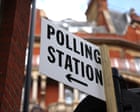
European election observers documented voters turned away from English polling stations Thursday due to confusion over photo ID requirements. The Council of Europe delegation recorded these incidents while monitoring local elections across England, Scotland, and Wales. Officials do not characterize the problem as widespread, but the monitors will include findings in their final report on the elections.
The incidents highlight implementation challenges with Britain's voter ID rules. Voters appeared uncertain about which forms of identification met requirements, leading some poll workers to deny entry. The confusion suggests gaps between policy intention and voter understanding at the ballot box.
Britain introduced mandatory photo ID voting rules in 2023, requiring voters to present approved identification like passports or driving licenses. Supporters argued the measure protects election integrity. Critics warned it would suppress turnout, particularly among elderly and marginalized voters less likely to carry required documents.
The European observers' documentation adds external scrutiny to how the policy functions in practice. Their report carries weight in international assessments of electoral conduct. The Council of Europe monitors election quality across member states and publishes assessments used by governments and election officials to identify improvements.
Thursday's local elections in England tested the ID requirement at scale for the first time since broader implementation. The turnout and any documented voting suppression effects remain subjects of analysis. Opposition Labour Party and civil rights groups have previously called for the policy's repeal, arguing it creates unnecessary barriers.
The election observers' preliminary findings suggest the requirement operates unevenly. Some voters successfully navigated the process. Others faced unexpected rejection. This inconsistency indicates poll worker training gaps or unclear guidance on acceptable documents.
Results from the Council of Europe's full investigation will shape political debate around voter identification. If monitors document systematic confusion or significant voter exclusion, pressure on the government may mount. The ruling Conservative Party has supported ID requirements on election security grounds. Labour has opposed them as unnecessary obstacles.
The observers' neutral assessment carries credibility because European monitoring operates independently of