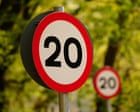
The Institute for Public Policy Research has urged the UK government to lower speed limits as an emergency measure to insulate consumers from soaring fuel costs triggered by Middle East conflict. The IPPR proposes capping speeds at 20mph in towns and cities and 60mph on motorways. The thinktank argues these reductions would cut fuel demand and help combat oil price spikes resulting from tensions with Iran.
This recommendation reflects broader economic pressures facing British households. Oil prices have risen sharply due to regional instability, creating inflationary pressure on petrol and diesel costs. The IPPR suggests demand-side management through speed restrictions as a policy lever available to government without requiring major investment or industry cooperation.
The proposal represents an unconventional approach to energy security. Rather than supply-side interventions like renewable energy expansion or strategic reserves, the thinktank advocates behavioral changes enforced through legal limits. Lower speeds reduce fuel consumption per mile traveled, theoretically dampening demand at the pump and moderating prices.
However, the recommendations face practical and political obstacles. Speed limit enforcement requires significant police resources. Public acceptance remains uncertain, particularly given the proposed 20mph urban limit would dramatically alter commuting and commerce patterns. Business groups typically oppose such restrictions as economically damaging.
The government has not adopted the IPPR's position. Current policy focuses on protecting vulnerable households through energy price caps rather than consumption restrictions. Ministers have emphasized international diplomacy and energy market stabilization over demand reduction measures.
The IPPR proposal sits within a broader debate about energy resilience in an unstable geopolitical environment. It highlights how conflict thousands of miles away directly impacts UK household budgets. Whether policymakers embrace demand management through speed limits remains doubtful, but the thinktank's intervention signals growing concern among policy experts about sustained energy price volatility.
THE BOTTOM LINE: The IPPR's emergency speed limit