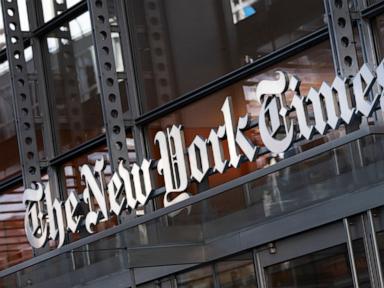
The U.S. Equal Employment Opportunity Commission filed a lawsuit Tuesday against the New York Times, alleging the newspaper discriminated against a white male employee by denying him a promotion in favor of a less qualified woman to advance diversity objectives.
The EEOC complaint centers on a specific promotion decision where the Times selected a female candidate over the male applicant despite, according to the agency, the man's superior qualifications. The suit argues the Times prioritized its diversity initiatives over merit-based hiring practices, violating Title VII of the Civil Rights Act of 1964, which prohibits employment discrimination based on race, color, religion, sex, or national origin.
This case arrives amid broader national debate over affirmative action and diversity, equity, and inclusion programs in corporate America. The Supreme Court last year struck down race-conscious admissions at universities, raising questions about how businesses can legally pursue diversity goals without running afoul of civil rights law.
The Times has not yet publicly responded to the lawsuit. The company has long positioned itself as a progressive news organization committed to expanding its workforce diversity. The newspaper has faced previous employment disputes but this marks a significant challenge to its hiring practices from a federal enforcement agency.
The EEOC's decision to pursue the case reflects the agency's current leadership stance under President Joe Biden's administration, which has shown willingness to litigate reverse discrimination claims. These cases typically hinge on whether employers can demonstrate that hiring decisions were based on legitimate business factors beyond demographic considerations.
The lawsuit carries implications beyond the Times itself. Major media organizations, tech companies, and other large employers face similar scrutiny of their diversity programs. Courts will likely examine whether organizations documented legitimate reasons for promotion decisions and whether diversity goals constituted the decisive factor.
THE TAKEAWAY: The EEOC's action against the Times underscores ongoing legal battles over how employers can balance diversity commitments with individual merit assessments in