# Summary
The Justice Department's criminal charges against former FBI Director James Comey face serious constitutional obstacles, particularly regarding First Amendment protections for political speech.
Prosecutors charged Comey with retaining classified information and obstruction of justice following his 2019 memos documenting his conversations with President Trump. The case centers on Comey's decision to share those memos with a New York Times reporter to trigger an investigation into Trump's firing of him.
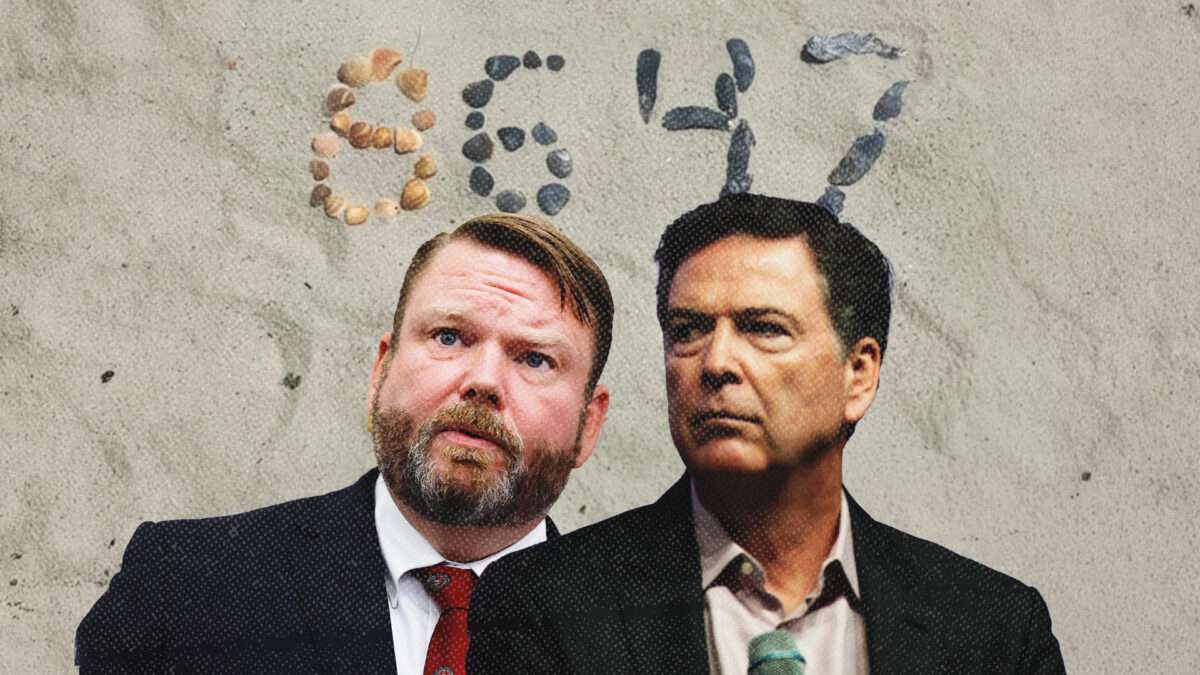
Courts have long protected political speech, even when it involves government officials criticizing their former employers. The "true threat" exception to First Amendment protections requires demonstrating an actual intent to commit violence or other illegal acts. Comey's actions lack this element entirely. He disclosed information to advance a political narrative and influence public opinion, not to threaten anyone.
The charges also conflict with established precedent on official misconduct. Presidents and high-ranking officials routinely escape prosecution for similar document handling. Hillary Clinton's private email server case resulted in no charges despite her retention of classified material. The selective enforcement against Comey appears politically motivated, given the timing under a Trump administration and the context of their documented disputes.
First Amendment jurisprudence since the 1960s has consistently protected government employees' right to speak about official wrongdoing. Courts recognize a hierarchy of speech protections, with political speech receiving maximum protection.
Prosecutors would need to prove not only that Comey retained documents but also that he acted with specific intent to obstruct justice. The use of an intermediary to share information represents standard whistleblowing conduct, protected under Supreme Court precedent.
Legal analysts expect federal courts to recognize these constitutional deficiencies. The case represents an overreach by prosecutors attempting to criminalize political opposition and internal dissent within government agencies.
THE TAKEAWAY: Constitutional protections for political speech place severe limits on the government's ability to prosecute Com