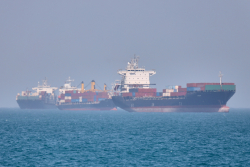
The Iran conflict enters a critical phase with military operations at a stalemate two months in. The Strait of Hormuz, one of the world's most vital shipping lanes, remains closed, strangling global energy markets. A U.S. blockade compounds the economic pressure on Iran.
The diplomatic track shows instability. Negotiations oscillate between collapse and potential reopening, leaving policymakers uncertain about the conflict's trajectory. This uncertainty carries real political consequences for the American administration overseeing the operation.
The strategic calculus presents a paradox. A prolonged frozen conflict risks eroding domestic political support without delivering clear military victory. Extended stalemate typically punishes the incumbent party in power. Yet pushing toward aggressive escalation risks destabilizing the broader Middle East and inviting international backlash.
For the U.S., the frozen battlefield creates a tactical bind. Maintaining the blockade and military presence demands sustained resource commitment. Each week without resolution tests American resolve and invites questioning from Congress about exit strategies and endgame objectives. The closure of the Strait of Hormuz also inflicts collateral damage on global allies dependent on Gulf oil exports.
Iran faces its own political pressures. The economic blockade strains the Iranian economy and government legitimacy. However, domestic nationalist sentiment may consolidate around resistance to U.S. pressure, giving hardliners political cover.
The current stalemate is not stable indefinitely. Pressure mounts from multiple directions. Energy markets demand resolution. American allies seek clarity on commitment duration. Congressional skeptics demand answers about strategic objectives and costs. Iran's economy deteriorates but nationalist fervor hardens.
The real political risk emerges if this frozen conflict persists without resolution. It becomes a slow-motion liability for whoever occupies the White House. The strategic payoff exists only if policymakers extract meaningful concessions through sustained pressure, then execute an exit that