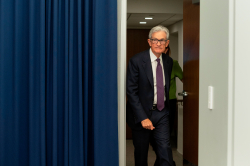
Jerome Powell remains Federal Reserve chairman despite completing his tenure, positioning himself as a defender of institutional independence against incoming political pressure. Powell joins only two predecessors who stayed in their roles after their terms ended, citing concerns about threats to the central bank's autonomy.
The Fed chair's decision reflects deepening tensions between the Biden administration and Republicans who have targeted the Federal Reserve for scrutiny. Powell specifically warned that legal challenges could compromise the Fed's ability to set monetary policy based on economic data rather than political considerations. This statement signals Powell's view that his continued presence offers some buffer against partisan interference in interest rate decisions and banking regulation.
Powell's framing of "Fed independence" addresses a real governance challenge. Presidents typically appoint Fed chairs who share their economic philosophy, but the institution's statutory autonomy theoretically insulates monetary policy from election-cycle pressures. Powell has navigated this balance cautiously, raising rates aggressively to combat inflation while managing political backlash from both parties.
Republicans have demanded the Fed explain its regulatory approach and questioned Powell's decisions. Some conservatives argue the Fed overstepped during the pandemic. Democrats, meanwhile, have criticized rate hikes as damaging employment. Powell's warning about "legal attacks" reflects Republican plans to increase congressional oversight and potentially restructure Fed governance when they control both chambers and the presidency.
Powell's choice to remain past his term's natural end carries symbolic weight. It suggests he believes his departure would create a leadership vacuum during a turbulent economic period marked by contested inflation data and ongoing partisan disputes over central banking's proper role. However, his tenure extension also risks reinforcing perceptions that he prioritizes institutional continuity over accepting democratic transitions in leadership.
The broader significance lies in how presidential power over monetary policy remains contested terrain. Powell's independence claims face their most serious test in years.
THE TAKEAWAY: Powell's decision to stay signals he views the Fed's autonomy as under genuine threat from