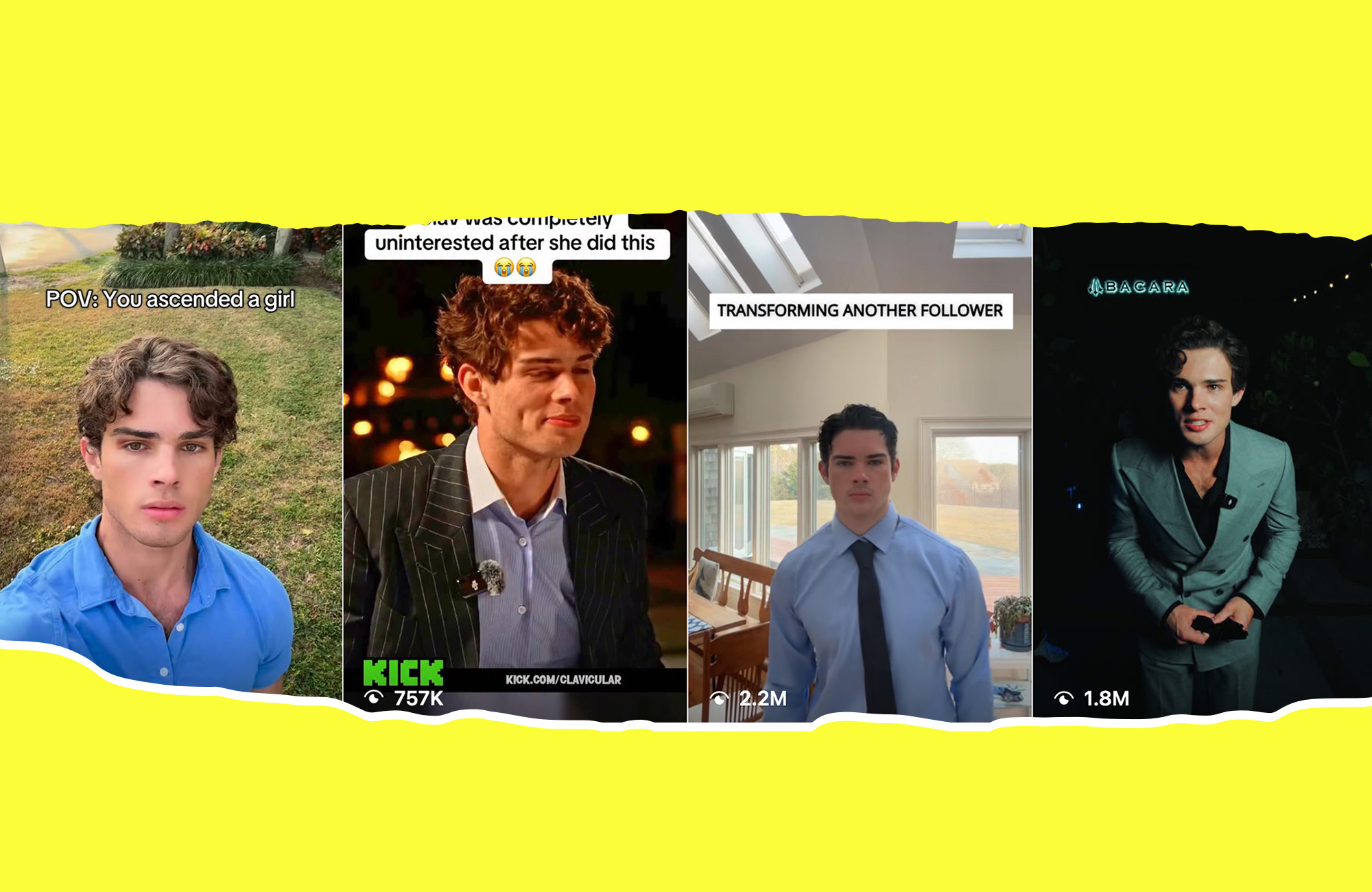
A popular right-wing streamer named Clavicular has built a large following by offering simplified explanations for young men's social alienation and unhappiness, according to reporting from The Intercept. The content creator frames complex issues around male loneliness, dating difficulty, and economic anxiety through ideological lenses that align with right-wing politics.
Clavicular's messaging taps into real grievances among young men. Economic stagnation, social fragmentation, and changing gender dynamics have left many feeling disconnected. The streamer provides readily digestible answers to these painful experiences, blaming feminism, progressive politics, and cultural shifts rather than structural economic factors or evolving social dynamics.
This approach mirrors a broader right-wing strategy to recruit disaffected young men into political movements. By validating frustration while directing blame toward left-leaning institutions and values, creators like Clavicular function as entry points into more radical ideological ecosystems. The pathway typically moves from lifestyle content about dating and self-improvement into explicitly political messaging that positions right-wing politics as the solution.
The Intercept's reporting connects this phenomenon to documented radicalization patterns. Young men encountering these creators often progress toward more extreme content, conspiracy theories, and eventually organized political action aligned with far-right causes.
Clavicular's influence reflects how digital platforms enable rapid ideological recruitment among vulnerable audiences. Unlike traditional political organizing, streaming allows creators to build intimate parasocial relationships with followers, making ideological messaging feel personal rather than propagandistic. The accessibility of these platforms means minimal barriers exist between algorithm recommendations and radicalization pipelines.
The story raises questions about platform responsibility and the mechanics of modern political recruitment. Major streaming services have relatively weak content moderation for political radicalization compared to explicit hate speech. This gap allows creators operating within acceptable terms of service to systematically direct audiences toward extreme ideologies.