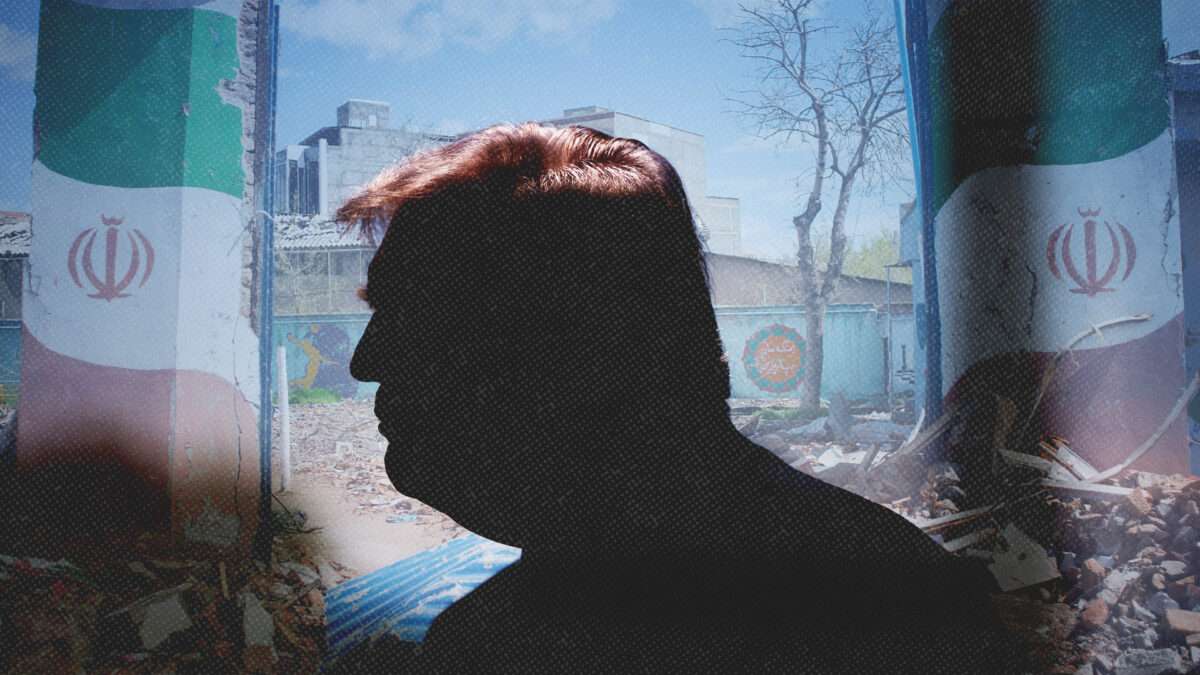
Donald Trump joins a decades-long pattern of presidential deception regarding military operations and foreign policy objectives. The article argues that opacity about war represents a bipartisan failure spanning multiple administrations.
Presidents from both parties have historically withheld information about military interventions, their justifications, and their actual aims. Trump's approach to foreign policy transparency continues this tradition rather than breaking it. The pattern includes selective disclosure, misleading public statements, and classified operations conducted without adequate congressional or public scrutiny.
This institutional secrecy affects democratic accountability. Voters cannot evaluate military decisions with complete information. Congress struggles to exercise proper oversight when executive branches control operational details. Citizens lack the transparency necessary to hold leaders responsible for wars fought in their name.
The article suggests this pattern reflects fundamental tensions in how democratic governments manage national security. Presidents claim operational security and intelligence protection require confidentiality. Critics counter that excessive secrecy enables unnecessary interventions and prevents public debate about whether military action serves national interests.
Historical examples demonstrate the costs of this opacity. The Gulf of Tonkin incident preceded escalation in Vietnam. Weapons of mass destruction claims justified Iraq invasion. Details about drone strike civilian casualties emerged only through leaks and investigations. Each case revealed gaps between official narratives and documented facts.
Trump's foreign policy decisions, from Syria to Afghanistan to dealings with North Korea, have involved limited public disclosure about reasoning and consequences. His administration restricted information about military operations while claiming transparency protections.
The underlying question frames a persistent governance challenge. Democratic systems theoretically require informed citizens and representative decision-making. Military operations in modern warfare often demand secrecy to protect forces and intelligence. Resolving this tension requires stronger institutional checks, congressional assertiveness, and cultural shifts toward accountability rather than accepting repeated cycles of deception.
THE TAKEAWAY: Presidential deception about war transcends party lines and reflects systemic failures in democratic oversight of military power.