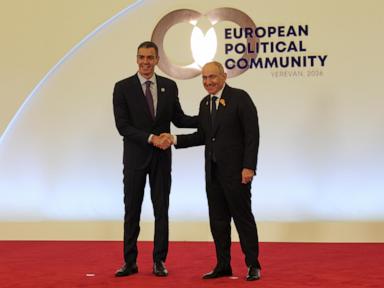
Armenia hosts the European Union's first-ever summit in Yerevan this week, cementing the former Soviet republic's strategic pivot away from Russia and toward Western institutions. The summit represents a watershed moment for Armenia, which has spent decades navigating between Moscow's sphere of influence and closer integration with Europe.
The timing carries geopolitical weight. Armenia, a Christian nation in the South Caucasus, has faced repeated military aggression from Azerbaijan, often backed by Turkey. Russia's failure to defend Armenia during the 2020 war and subsequent 2023 clashes forced Yerevan's leadership to recalibrate its foreign policy. Prime Minister Nikol Pashinyan has accelerated Armenia's turn westward, pursuing deeper EU economic ties and security partnerships while reducing dependence on Russian military support.
EU leaders gathering in Yerevan signal the bloc's commitment to strengthening Armenia as a counterweight to Russian dominance in the region. The summit addresses trade, democratic reforms, and rule-of-law initiatives. Armenia seeks EU financial support and potential membership pathways, though membership remains years away due to governance and democratic standards requirements.
This shift troubles Moscow, which views Armenia's westernization as a threat to its regional influence. Russia maintains a military base in Armenia and historically controlled the country's foreign policy. Pashinyan's government has nonetheless proceeded with EU integration despite warnings from the Kremlin.
The summit also reflects broader EU strategy to expand influence beyond its borders and compete with China and Russia for regional leverage. By hosting EU leadership, Armenia demonstrates it's serious about this reorientation, though it must balance Western ties against geographic reality. Turkey and Azerbaijan remain neighbors, and Yerevan cannot completely sever Russian links without losing deterrence capability against potential future military action.
THE TAKEAWAY: Armenia's EU summit marks the country's formal break from Russia's sphere of influence, reshaping post