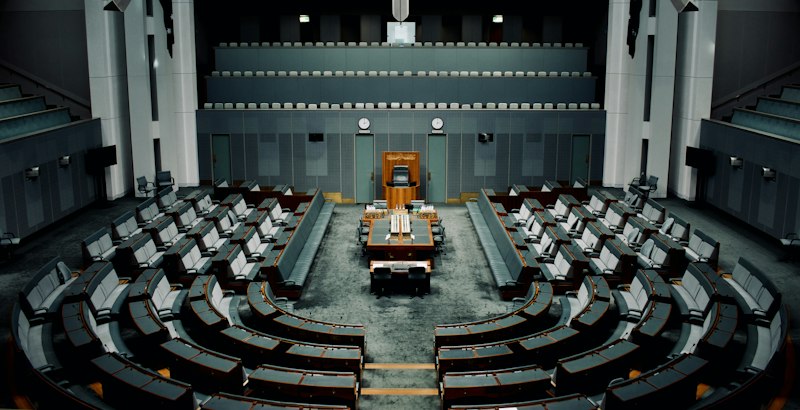
Donald Trump has launched a sweeping agenda to physically reshape Washington D.C., targeting everything from federal buildings and monuments to parks and public spaces. The initiatives range from renaming structures to removing statues and redesigning the White House itself.
Several of these plans face legal obstacles. Some changes prove easily reversible through executive action, while others could permanently alter the capital's landscape and historical character. The distinction matters for how durable Trump's architectural legacy becomes.
Trump's alterations target multiple fronts simultaneously. The administration wants to modify federal buildings, remove statues it considers ideologically misaligned, and rename parks and thoroughfares. Each proposal carries implications for how Washington presents itself to residents and visitors.
Legal challenges have emerged from multiple quarters. Preservationists argue that removing historical monuments violates federal statutes protecting heritage sites. Local officials contend that Trump lacks unilateral authority to rename public spaces without community input. Constitutional scholars question whether executive power extends to permanent alterations of the nation's symbolic geography.
The reversibility question divides experts. Executive orders can be undone by successor administrations relatively quickly. Physical removal of statues or destruction of architectural features becomes harder to reverse if completed. Some changes require congressional approval, placing them beyond Trump's immediate control.
This agenda reflects broader Republican efforts to reshape federal symbolism. Conservatives argue that removing statues honoring confederate figures and leftist icons represents correcting historical narratives. Critics contend the effort amounts to erasing American history and imposing partisan aesthetic preferences on shared public spaces.
The debate touches governance fundamentals. Presidents wield substantial executive power over federal property. Yet that power operates within constitutional and statutory constraints. Congress, courts, and local jurisdictions all retain decision-making authority in specific contexts.
The timeline remains uncertain. Some initiatives could proceed quickly. Others face preliminary injunctions from courts or requirements for environmental review. The legal battles will likely extend beyond Trump's