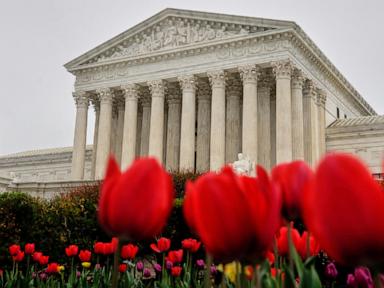
Republican governors in Alabama and Tennessee have convened special legislative sessions to redraw congressional districts following a Supreme Court decision. The rulings affect how both states must structure their representation in the House.
Alabama Governor Kay Ivey and Tennessee Governor Bill Lee initiated the special sessions to address redistricting requirements imposed by the Court. The ruling altered previous district boundaries that had been in place since the 2020 census cycle.
Alabama faced particular pressure to modify its congressional map. The state had drawn districts that critics argued diluted Black voting power. The Supreme Court's decision required the state to create an additional district where Black voters could exercise greater electoral influence.
Tennessee's redistricting stems from separate litigation over district configurations. The state legislature must now reconsider how it divides representation among its congressional seats.
Both governors pushed for swift action. Legislative sessions allow states to adjust districts without waiting for the next regular session, expediting compliance with court orders.
The redistricting battles reflect broader national debates over how states draw electoral lines. These decisions directly impact which party controls House seats and how much power various voter blocs hold. The Alabama and Tennessee cases demonstrate how federal courts continue shaping electoral maps when states allegedly fail to represent their populations fairly.