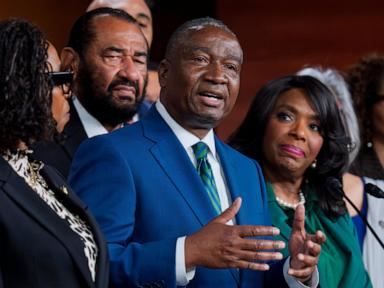
Black members of Congress are preparing for significant changes to their districts following a Supreme Court decision that weakened protections in the Voting Rights Act. The ruling eliminated a key provision that had safeguarded minority communities during political redistricting, a process that directly affects the racial composition of congressional districts.
The Black Caucus views itself as the "conscience of Congress" and relies on districts drawn to ensure Black representation. The Court's action removes federal oversight that previously prevented states from diluting minority voting power through redistricting strategies. This change threatens the ability of Black lawmakers to maintain their seats and their collective influence in the chamber.
Congressional Black Caucus members now confront a precarious situation. Without the Voting Rights Act protections, states can redraw district lines in ways that fragment Black populations across multiple districts, reducing their electoral strength. This could shrink the caucus's membership and diminish its leverage on legislation affecting Black communities.
The ruling reflects a broader conservative shift on voting rights jurisprudence. The Court has systematically reduced federal authority to police election practices, returning power to individual states. For Black lawmakers, the practical effect is immediate. Upcoming redistricting cycles will determine whether they retain their political base or lose ground to demographic manipulation.