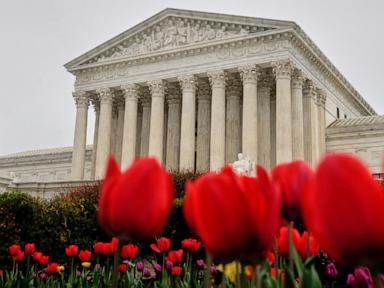
The Supreme Court struck down Louisiana's majority Black congressional district, intensifying redistricting fights across the nation. The ruling removes a seat where Black voters held significant electoral power, reshaping the political map in a state already fractured along racial lines.
The decision stems from challenges to how states redraw districts following the decennial census. Conservative justices sided with plaintiffs arguing the district was unconstitutional racial gerrymandering. The majority opinion rejected arguments that preserving Black voting strength justified the district's shape and composition.
Louisiana now faces pressure to redraw its map before the 2024 election cycle accelerates. The state's Republican legislature controls redistricting, giving GOP mapmakers leverage to reshape districts in their favor. Democrats warn the ruling undermines voting rights protections won through decades of civil rights struggles.
The case reflects broader tensions between two legal frameworks. Voting Rights Act provisions once required states to maintain minority-opportunity districts. Recent Supreme Court decisions have weakened those protections, allowing conservative states to challenge maps designed to amplify Black electoral power.
Other states with similar districts watch closely. Redistricting battles in states like Georgia, North Carolina, and Alabama could face fresh legal challenges based on this precedent. The outcome will determine which party controls Congress and state legislatures for the next decade.