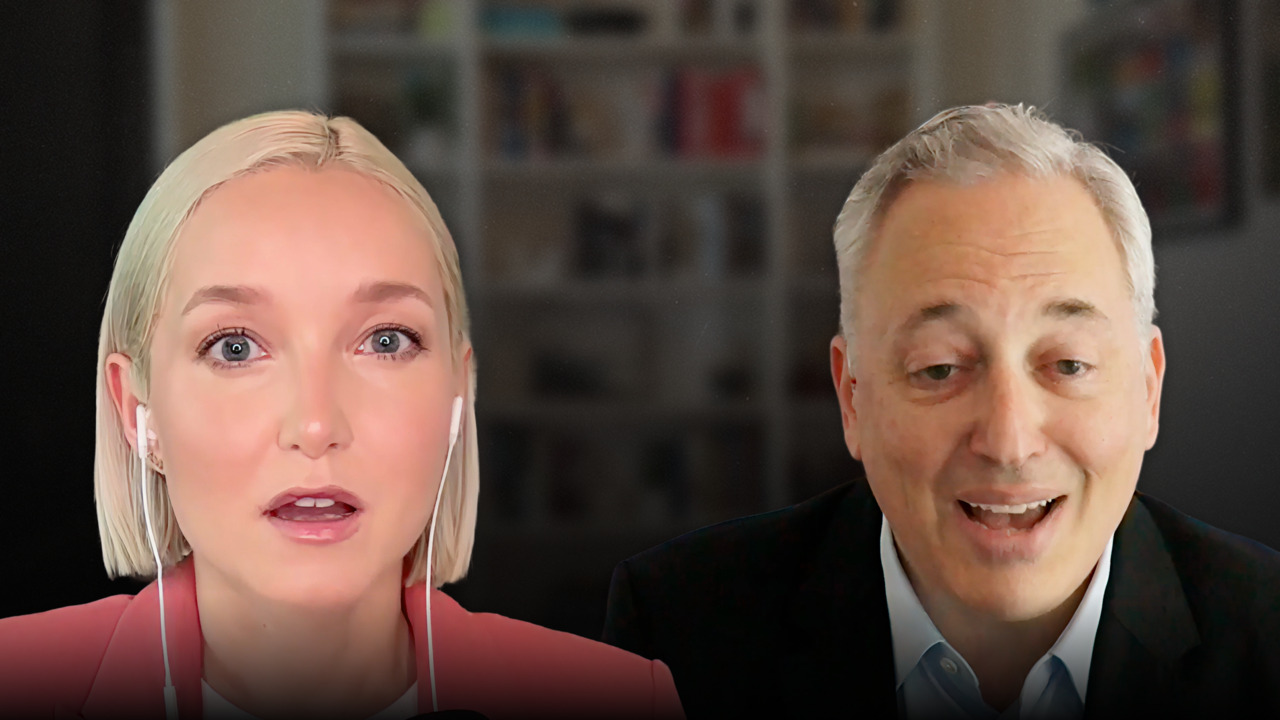
David Sacks, a venture capitalist and Trump advisor, argues the United States must establish guardrails for artificial intelligence while avoiding overregulation that stifles innovation. Sacks contends that excessive restrictions could cede AI dominance to China and other competitors.
His position reflects a growing debate within the incoming administration over how to balance AI development with public safety concerns. Sacks advocates for industry self-regulation paired with targeted government oversight on specific high-risk applications rather than broad restrictions on AI research and deployment.
The tech investor emphasizes that America's competitive advantage depends on maintaining technological leadership. He warns that countries imposing stricter regulations risk falling behind in AI capabilities, potentially threatening national security and economic competitiveness.
Sacks' framework represents one approach the Trump administration may pursue on AI policy. It contrasts with calls from some lawmakers and advocacy groups for comprehensive federal AI regulation similar to European standards.
His argument centers on trusting companies to develop responsible AI systems while government focuses enforcement on demonstrable harms rather than hypothetical risks. This market-driven approach aligns with the administration's deregulation agenda and appeals to Silicon Valley investors and entrepreneurs.
The debate over AI governance remains unsettled, with policymakers weighing innovation benefits against potential risks.