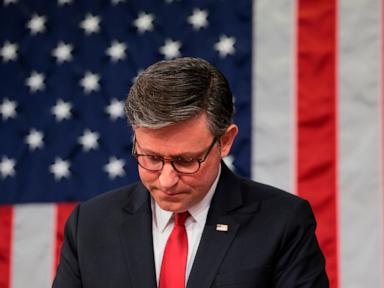
House Speaker Mike Johnson has expressed frustration about the dysfunction plaguing Congress, stating he wishes to preside over a "normal Congress." His lament reflects the deep partisan gridlock and procedural chaos that has defined the House during his tenure.
Johnson inherited a chamber fractured by internal GOP disputes. The speaker faces constant threats from hard-right members willing to force procedural votes that destabilize floor operations. Previous speakers Kevin McCarthy and Paul Ryan navigated similar turbulence, but the dysfunction has intensified rather than subsided.
The speaker's desire for normalcy highlights the structural challenges facing the House. Basic legislative functions, including budget votes and appropriations bills, frequently stall. Procedural motions intended to block legislation consume floor time. The narrow Republican majority amplifies the leverage of ideological hardliners who demand concessions on bills.
Johnson has attempted to restore order through negotiation and compromise. Yet his efforts repeatedly clash with demands from the Freedom Caucus and other conservative members who reject traditional legislative processes. Democrats, meanwhile, remain largely unified in opposition.
The speaker's comments acknowledge a political reality. The House has shifted from an institution where both parties conducted regular business toward one where partisan conflict overshadows routine governance. Achieving normalcy would require either a larger majority cushion for the speaker or a fundamental shift in how members engage across party lines.