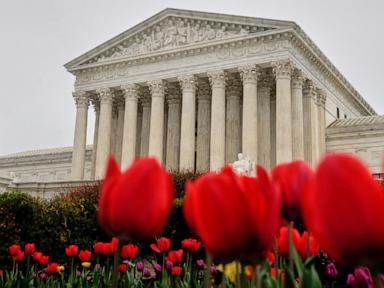
The Supreme Court struck down Louisiana's majority Black congressional district, intensifying redistricting battles across the country. The ruling restricts how states can draw maps that prioritize Black voter representation, effectively limiting tools available to Democrats and civil rights advocates.
The decision affects states preparing for the 2024 elections and beyond. Conservative justices argued that the Louisiana district violated equal protection principles by prioritizing race in map-drawing. Civil rights groups counter that the ruling undermines the Voting Rights Act and reduces Black political power.
States including Georgia, Texas, and North Carolina now face pressure to redraw district lines. Republicans control redistricting in many competitive states, giving them significant advantage in map design. Democrats lost a critical legal argument for protecting minority representation through intentional district design.
The ruling comes as states enter the final stages of redistricting cycles that determine representation through 2032. Election officials and legislators must decide how aggressively to redraw maps before filing deadlines. The decision signals the conservative court majority views race-conscious redistricting skeptically, even when designed to remedy historical discrimination.
The impact extends beyond single elections. States with significant Black populations face potential shifts in congressional representation. The ruling provides legal cover for maps that dilute minority voting strength under the guise of equal protection doctrine.